

Top 10 Tips to Get Kids to Take Omega 3 Fatty Acids

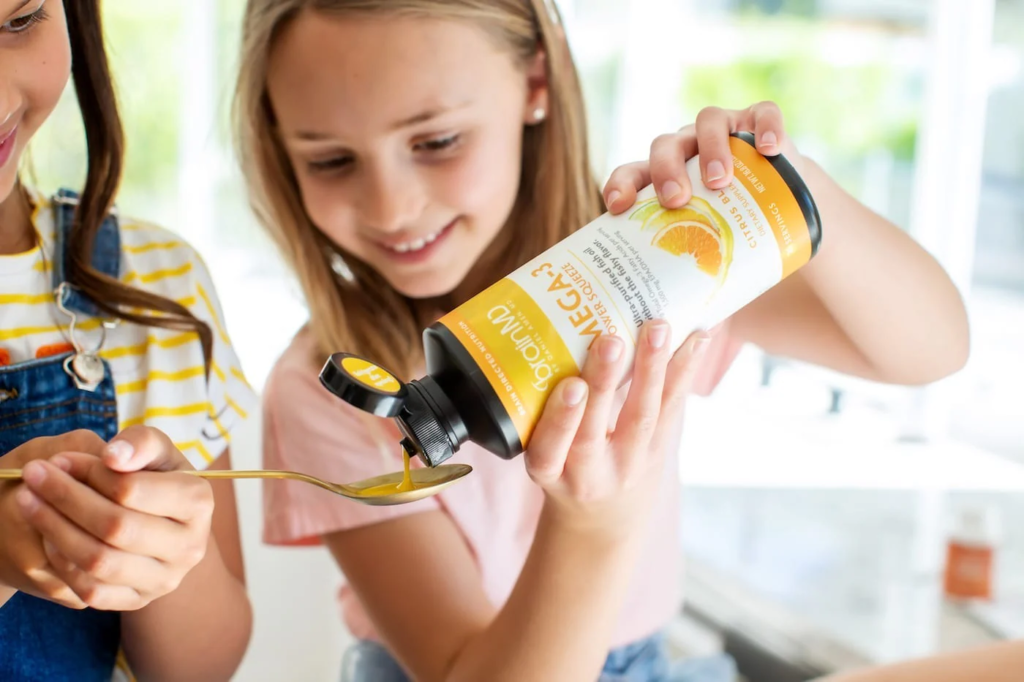
Many parents search for safe and natural ways to support their child’s brain health, focus, and emotional well-being after a diagnosis such as ADHD, autism spectrum disorder, sensory processing disorder, sensory sensitivities, or depression. One of the most talked-about nutrients for children’s development is omega-3 fatty acids. Today, many families are also choosing Kids Vegan Omega 3 supplements as a plant-based option that can still provide important nutrients for growing children. Omega-3 fatty acids are known for helping support attention, learning, memory, mood, and overall behavior. They may also help children who struggle with hyperactivity, emotional regulation, and concentration at school or at home.
Even though omega-3 supplements offer many benefits, parents often face one major problem — getting children to actually take them. Fish oil and some liquid omega-3 products can have a strong smell, oily texture, or fishy aftertaste that many children dislike. Some kids may refuse to take them completely, while others complain every day. This can make parents feel frustrated, especially when they know the supplement may help their child feel and function better.
Capsules can work well for older children and teenagers who are comfortable swallowing pills. Storing capsules in the refrigerator or freezer can sometimes reduce the smell and make them easier to take. However, younger children usually need liquid forms because they cannot safely swallow large capsules yet. This is where parents often need creative ideas to make omega-3 supplements easier and more enjoyable.
Another option many families consider is gummies. Gummies are simple and tasty, which makes them attractive for children. However, most children need higher amounts of omega-3 for noticeable benefits, which often means eating several gummies every day. This can become expensive over time and may also increase daily sugar intake. For this reason, many parents prefer liquid omega-3 supplements because they allow children to get larger amounts more easily.
Simple Ways to Hide Omega-3 in Food and Drinks
One of the easiest and most popular ways to give omega-3 to children is by mixing it into juice. Citrus drinks such as orange juice, lemonade, or pineapple juice often work best because strong fruit flavors help cover the taste of the oil. Other juices like apple, cranberry, or grape juice may also work depending on your child’s preference. Using a small amount of juice can help ensure your child finishes the entire serving.
Smoothies are another excellent choice because they help hide both the flavor and oily texture of omega-3 supplements. Thick smoothies made with bananas, berries, yogurt, oats, or nut butter can make the supplement almost impossible to notice. Parents can use dairy or plant-based ingredients depending on the child’s diet and preferences. Adding frozen fruit can make the smoothie thicker, which may help children who are sensitive to textures.
Soft foods are also useful for mixing omega-3. Many parents successfully stir it into applesauce, yogurt, pudding, oatmeal, mashed potatoes, or even soups that are not too hot. Since heat can reduce the quality of the oil, it is best to avoid adding omega-3 to boiling foods. Choosing foods your child already enjoys increases the chance that they will accept it without complaints.
Frozen treats can also make omega-3 more enjoyable. Homemade smoothie popsicles or juice popsicles are easy to prepare using simple molds. Parents can mix the supplement directly into each popsicle before freezing. Many children who dislike liquid omega-3 in drinks may happily eat it when served as a frozen snack.
Nut and seed butters are another smart option because their thick texture and rich taste can hide omega-3 very well. Peanut butter, almond butter, cashew butter, or sunflower seed butter can be mixed with the supplement and spread onto bread, crackers, or fruit slices. Since these spreads already contain natural oils, the texture blends smoothly.
Creative and Healthy Omega-3 Ideas for Kids
Parents who enjoy preparing homemade snacks may also try making healthy gelatin gummies. Homemade gummies can be made using fruit juice, natural gelatin, and healthier ingredients compared to many store-bought products. Once the mixture cools slightly, omega-3 can be mixed in before pouring into molds. This allows parents to control both the ingredients and the amount of omega-3 in each serving.
Some families also mix omega-3 into homemade salad dressings. Children who enjoy salads or vegetable bowls may not notice the supplement when combined with olive oil, vinegar, lemon juice, or creamy dressing flavors. Although this option may not work for every child, it can be useful for older children with more developed tastes.
Flavored omega-3 liquids have also improved over the years. Many companies now offer fruit-flavored products in lemon, mango, berry, or citrus flavors designed specifically for children. These products often have smoother textures and less noticeable aftertastes. When shopping for flavored supplements, parents should carefully read labels and avoid products with artificial colors, artificial sweeteners, or unnecessary additives.
Some children may even surprise their parents by preferring to take omega-3 directly from a spoon or small cup. Following it with a favorite snack or drink can help remove any remaining aftertaste. While this approach may not work for every child, it is often the quickest and simplest option for families with children who tolerate the flavor well.
Parents should also remember that consistency matters. Omega-3 supplements usually work best when taken daily over time. Missing doses often can reduce the possible benefits. Creating a regular routine, such as taking omega-3 with breakfast or after school, may help children become more comfortable with the habit.
It is also important to choose high-quality supplements from trusted brands. Products should be tested for safety and purity to ensure they are free from harmful contaminants. Families who prefer plant-based options can explore Kids Vegan Omega 3 supplements made from algae oil, which provides important omega-3 fatty acids without using fish products.
Conclusion
Giving omega-3 supplements to children does not have to become a daily struggle. While some children may dislike the smell, taste, or texture at first, there are many simple and creative ways parents can make omega-3 easier to take. Mixing it into smoothies, juices, soft foods, frozen treats, or homemade snacks can help children get the nutrients they need without stress or arguments.
Whether families choose fish oil or Kids Vegan Omega 3 products, the goal is the same — supporting a child’s brain development, focus, mood, and overall well-being. Every child is different, so parents may need to try several methods before finding the one that works best. With patience, creativity, and consistency, omega-3 supplements can become a simple and healthy part of a child’s everyday routine.