

Behind Closed Doors: A Typical Day Inside a Rehabilitation Centre in Mumbai
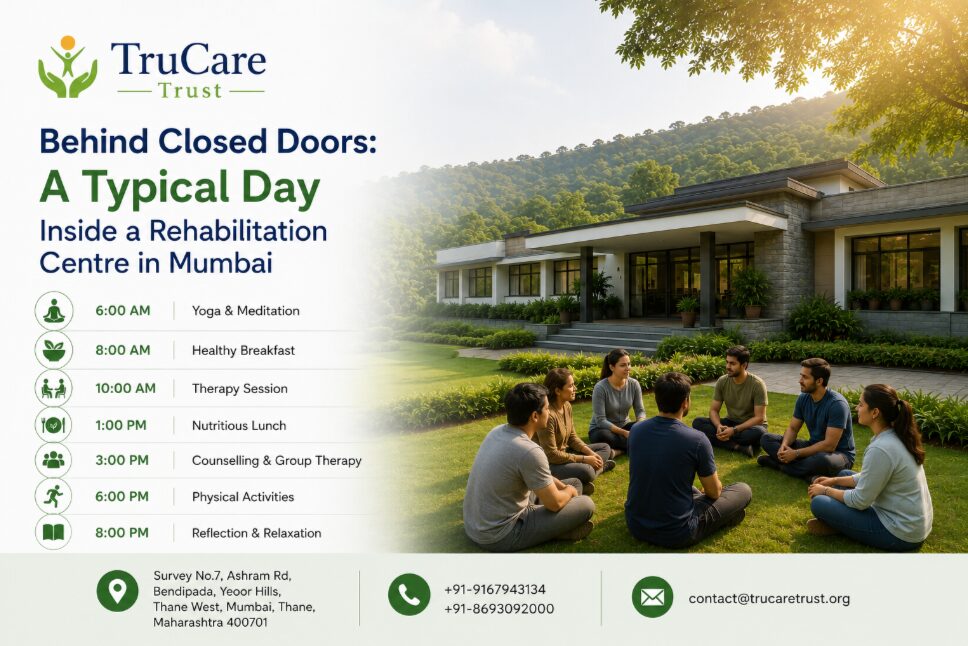
Many families imagine rehabilitation as a place where a person is simply kept away from substances until they stop using them. A responsible programme should be different. It should create safety and routine, while helping the person understand what is driving substance use and what support will be needed after discharge.
There is no identical “typical day”. It can vary according to medical needs, the substance involved, withdrawal risk, emotional state and the treatment plan. Still, a residential programme often follows a steady rhythm. Predictability can help when sleep, meals, relationships and daily responsibilities have become irregular.
Morning: settling into a safer routine
The day may begin with waking at a regular time, personal care, breakfast and a short check-in. For someone who has been living with poor sleep, missed meals or constant anxiety, these ordinary habits can be an important starting point.
During early treatment, staff may monitor symptoms and ask how the person is feeling. Severe confusion, hallucinations, seizures, breathing difficulty, loss of consciousness, violence or immediate self-harm risk need urgent medical attention, not casual observation.
Morning may include individual counselling or a medical review where needed. The person may be encouraged to talk about sleep, mood, conflict at home, stress or the situations that usually come before substance use. The aim is to build an honest picture of the pattern.
Afternoon: understanding patterns, not just avoiding substances
After lunch, the programme may include group discussions, therapy, quiet reflection, life-skills work or supervised physical activity. Some people find groups helpful because they realise they are not alone. Others need time before they feel ready to speak openly.
Treatment may need to address anxiety, depression, trauma, family conflict, work pressure or social circles, not only the substance itself. International treatment standards describe care as a combination of medical and psychosocial support suited to individual needs.
When considering a rehabilitation centre in Mumbai, families can ask what counselling looks like during an ordinary week. It helps to know how often individual sessions take place, whether family guidance is available and how staff respond when someone feels overwhelmed or unwilling to participate.
Evening: preparing for ordinary life outside
Evenings can be difficult because that may have been the time a person used substances, avoided family conversations or felt most alone. A structured evening may include dinner, a group check-in, relaxation, reading, journalling or time to speak with an approved family member.
The point is not to fill every minute. It is to help the person notice cravings and difficult feelings without immediately acting on them. They may practise pausing, asking for support, sleeping more regularly and handling stressful moments differently.
A good programme also begins preparing for discharge early. Family sessions may cover communication, boundaries, money concerns and what to do when warning signs appear. The person may need a practical plan for work, education, travel, social situations and follow-up care.
Before selecting a rehabilitation centre in Mumbai, ask what continues after the residential stay. Follow-up counselling, family support and a plan for difficult days can matter as much as the routine inside the centre.
Rehabilitation is not about hiding someone from society. It is about helping them return to daily life with more stability, clearer support and a safer response when stress or cravings return.
Disclaimer: This article is for general educational purposes only. It does not provide medical advice, diagnosis, treatment, or emergency guidance. Addiction, withdrawal, mental-health concerns, and recovery needs can vary from person to person. A qualified medical professional or addiction-treatment specialist should assess individual needs. In case of severe withdrawal symptoms, overdose, seizures, confusion, self-harm risk, violence, breathing difficulty, or any immediate medical emergency, seek urgent medical assistance.