

Vitamin C for Kids: Benefits, Sources & Dosage Guide
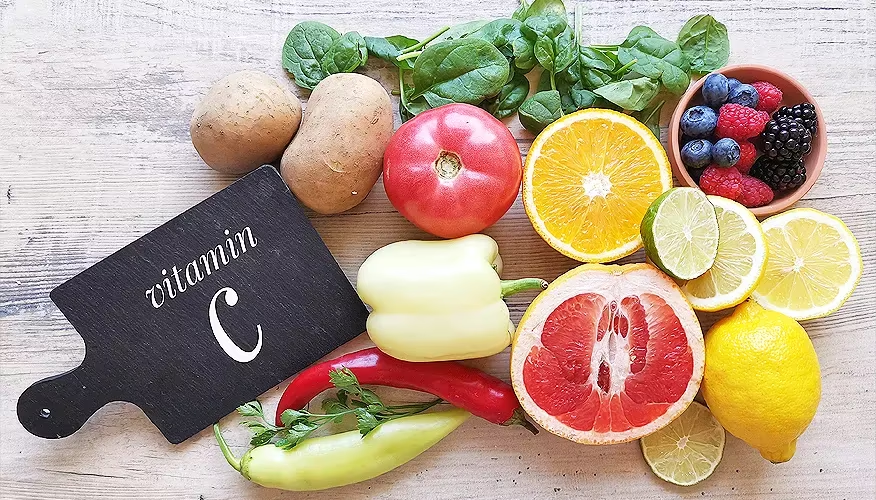
Parents often hear about Vitamin C whenever immunity and overall health are discussed, but many still wonder if their child is getting enough every day. While fruits and vegetables are the best natural sources, not every child eats a balanced diet consistently. Because of this, many families also look into Liquid Vitamin C for kids as a practical way to help support daily nutrition, especially for picky eaters or children who avoid fresh produce.
Vitamin C is one of the most important nutrients for growing children because it supports several body functions at the same time. It helps strengthen the immune system, supports healthy skin and tissues, improves iron absorption, and protects the body from damage caused by daily environmental exposure. Since children are constantly growing, learning, and staying active, they need enough Vitamin C to support their bodies properly and kids Lipsomal Vitamin C is the ideal choice.
One of the biggest benefits of Vitamin C is its role in immunity. It helps the body produce and support white blood cells, which are responsible for fighting bacteria and viruses. When children are exposed to germs at school, daycare, playgrounds, or crowded places, their immune system works hard to protect them from illness. Vitamin C helps support this process naturally.
Vitamin C also acts as an antioxidant. This means it helps protect the body’s cells from damage caused by pollution, infections, stress, and even intense physical activity. Children living in busy urban areas may benefit from this added protection because they are often exposed to pollution and environmental stress daily.
Another major benefit is iron absorption. Many children eat foods like spinach, beans, lentils, and other plant-based foods that contain iron. However, the body cannot absorb plant-based iron efficiently without help. Vitamin C improves the body’s ability to absorb iron, which can support healthy blood circulation, energy levels, and proper growth. Pairing foods rich in iron with Vitamin C-rich fruits or vegetables can make a noticeable difference in nutrition.
Vitamin C is also important for collagen production. Collagen is a protein that helps build healthy skin, gums, bones, cartilage, and connective tissues. It supports wound healing and tissue repair, which is especially important for active children who often get cuts, bruises, or minor injuries while playing.
Daily Vitamin C Needs and the Best Food Sources for Kids
Children need different amounts of Vitamin C depending on their age and growth stage. Younger children generally need around 40 mg daily, while older children and teenagers may need between 60 and 100 mg each day. During periods of illness, recovery, or stress, the body may require even more Vitamin C to support the immune system properly.
Most children can meet their daily needs through healthy meals and snacks. Fortunately, many commonly available foods are rich in Vitamin C and can easily be added to a child’s diet.
Amla (Indian Gooseberry)
Amla is one of the richest natural sources of Vitamin C. Even a small amount can provide more than the daily requirement for children. Parents often add amla powder to smoothies, yogurt, juices, or homemade snacks to make it easier for children to consume.
Guava
Guava is another excellent source and contains more Vitamin C than many citrus fruits. One small guava can often provide enough Vitamin C for the entire day. It is sweet, easy to eat, and widely available in many markets.
Citrus Fruits
Oranges, lemons, sweet lime, and other citrus fruits are familiar sources of Vitamin C. These fruits are refreshing, easy to include in snacks, and can help children stay hydrated while improving nutrient intake.
Tomatoes and Capsicum
Tomatoes and red bell peppers are simple ingredients that can add Vitamin C to everyday meals. They can be included in soups, rice dishes, curries, pasta, salads, and sandwiches. Red capsicum is especially rich in Vitamin C, even more than some citrus fruits.
Leafy Greens and Fresh Vegetables
Vegetables like spinach, broccoli, and cabbage also provide smaller amounts of Vitamin C while adding other important nutrients. Offering different vegetables regularly helps children build healthy eating habits from an early age.
When Supplements Become Helpful for Children
Although food should always be the first choice, there are situations where supplements can help support a child’s nutritional needs. Some children go through phases of refusing fruits and vegetables completely, while others may eat only a limited variety of foods for long periods.
Children who frequently get sick, recover slowly from illness, or have diets low in fresh produce may benefit from additional Vitamin C support. This is one reason many parents consider supplements like gummies or Liquid Vitamin C for kids, especially when daily food intake is inconsistent.
Liquid supplements can be easier for younger children because they are simple to swallow and can often be mixed with drinks if needed. Gummies are another popular option because they are convenient and easy to include in daily routines.
However, not all supplements are made equally. Parents should carefully read labels and choose products designed specifically for children. It is important to avoid supplements with excessive sugar, artificial colours, or unnecessary preservatives. Products that combine Vitamin C with Zinc are often preferred because both nutrients work together to support immune health more effectively.
Parents should also avoid giving very high doses unless advised by a healthcare professional. More Vitamin C is not always better. Children usually only need moderate daily amounts to support healthy growth and immunity.
Simple Ways to Add More Vitamin C to a Child’s Diet
Adding more Vitamin C to meals does not need to be difficult. Small changes can make a big difference over time. Parents can include fruit slices with breakfast, offer guava or oranges as snacks, add tomatoes to sandwiches, or mix vegetables into rice and pasta dishes.
Smoothies are another simple option. Combining fruits like oranges, strawberries, or mangoes with yogurt can create a nutritious snack that many children enjoy. Homemade juices and fruit bowls can also help increase Vitamin C intake naturally.
For picky eaters, consistency matters more than perfection. Offering healthy foods regularly without pressure helps children slowly become more comfortable trying different fruits and vegetables over time.
Conclusion
Vitamin C plays an important role in helping children grow, stay active, and support their immune system every day. From helping the body fight infections to improving iron absorption and supporting healthy skin and tissues, this nutrient works in many ways to protect a child’s overall health.
Most children can get enough Vitamin C from a balanced diet filled with fruits and vegetables, but supplements may help when eating habits are limited or during periods of illness and recovery. Options like Liquid Vitamin C for kids can provide added convenience for parents who want reliable daily support for their child’s nutrition.
The most important goal is creating healthy long-term habits. A balanced diet, regular sleep, exercise, hydration, and proper nutrition all work together to support strong growth and healthy development. Vitamin C is simply one important piece of that foundation, helping children stay healthier, stronger, and more prepared for everyday life.